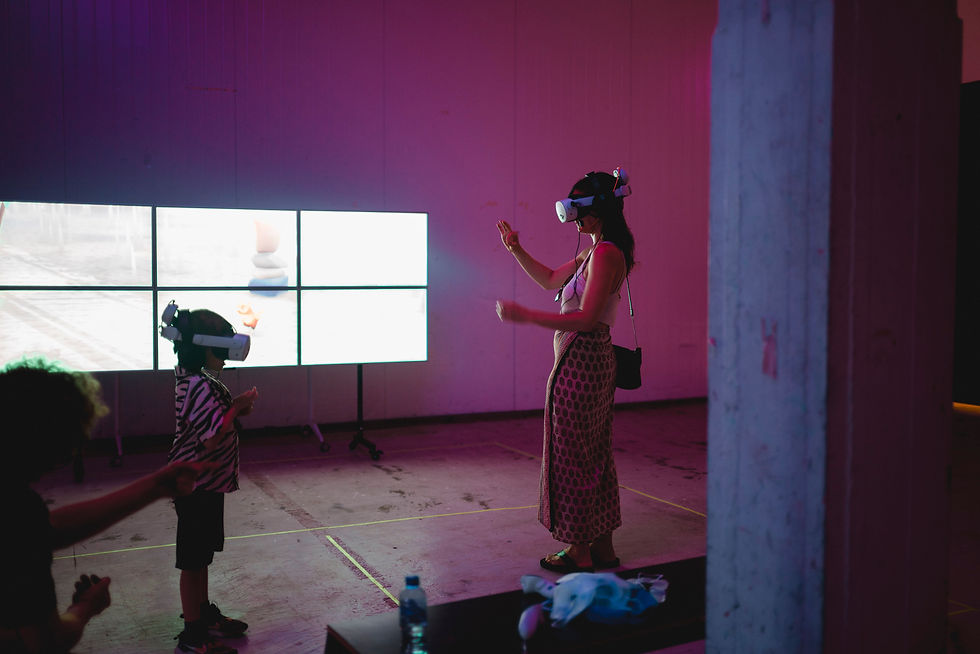
SPRITE+ 2026 AIM Day: XR-TIPSS

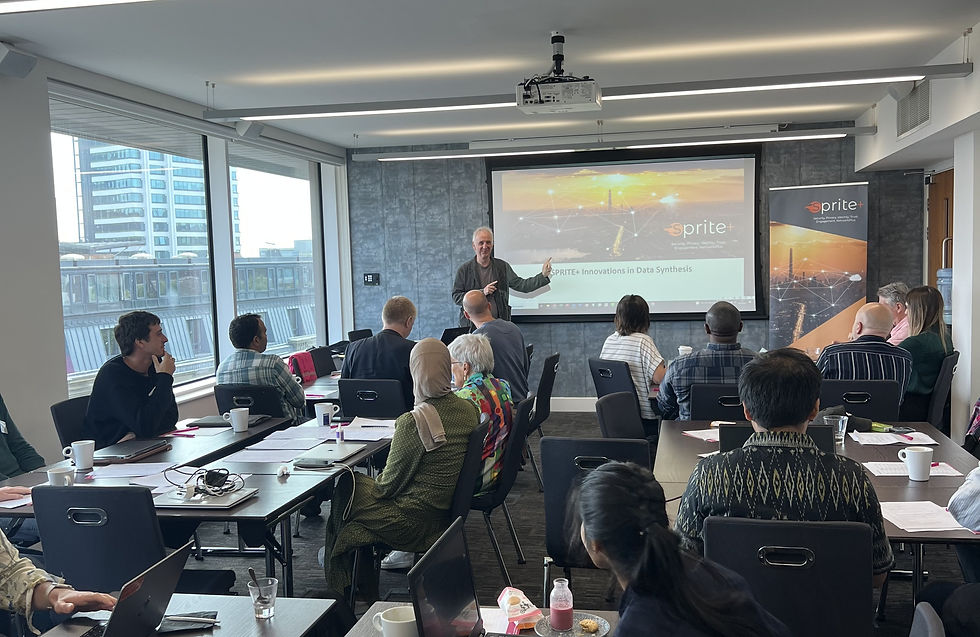
The SPRITE+ 2026 AIM (Academic-Industry Meeting) Day, focusing this year on XR-TIPSS, was held at Etcetera Venues Chancery Lane in London on 7 May. Attended by 46 participants, the event proved to be a success, with 19 expressions of interest for collaborations between industry partners and academics submitted by the end of the day.
The day began with participants arriving for a Welcome Coffee and heading over to a PhD poster wall set up in the networking area, where they interacted with our 5 PhD participants. Shortly after, SPRITE+ Co-Director Prof Deeph Chana opened the event by setting out goals for the day, format and funding opportunities. This was followed by a keynote address from SPRITE+ Co-Director and XRCET-TIPSS Deep Dive lead Prof Emma Barrett on 'How and why XR disrupts our understandings of TIPSS'.

After Emma’s keynote, XRCET-TIPSS Research Fellow Salman Khan introduced participants to a session on “Industry Innovation Challenges”. This involved lightning pitches by 15 companies working in the XR space, outlining their research challenges, desired academic expertise, as well as collaboration and secondment opportunities for academics in attendance.
Participants were ten able to meet each other informally during a break, before convening for the second keynote address by Innovate UK Immersive Tech Network Lead Asha Easton, on bridging the gap between academia and industry, and funding opportunities offered by Innovate UK for potential collaborations. This was followed by a roundtable ‘Meet the Academics’ session led by SPRITE+ Honorary Senior Researcher Catherine Allen, where industry participants discussed their research challenges with rotations of academic participants, followed by more networking time over a buffet-style lunch.
After lunch, participants took part in small-group thematic discussions following the Chatham House Rule, focused on drawing out specific applications of XR and TIPSS risks that were relevant to industry participants and might constitute an avenue for potential research collaboration. Lightly facilitated by the SPRITE+ team, this session saw participants engage in animated discussions on the following five clusters: Built environment, place & infrastructure; Immersive production, XR studios & creative technology; Health & wellbeing; Education, skills & learning; and Other.
In the Education cluster, participants deliberated over the need to safeguard young children in XR environments, with most in agreement that content moderation was the solution, not denying access to this technology. One academic participant in the group raised the difficulty of determining the extent to which platforms can moderate without restricting features too much. An industry participant, meanwhile, contended that moderation should not be left to Big Tech companies alone, and that small companies need support and resources to take on this challenge.
A final coffee break followed, after which participants were free to network with one another in both 1:1 and group formats. This unstructured time allowed them to followup on conversations, plan collaborations and submit their Expressions of Interest to apply for SPRITE+ funding.
The event closed with a short plenary reflection by Prof Emma Barrett, providing details on the funding proposal process, evaluation criteria and follow-up support. Emma thanked the participants for their valuable contributions to making the event a success.
Successful projects will be announced shortly by the SPRITE+ team. We look forward to supporting successful applicants in meeting their Secondment/Placement objectives over the next academic year.
Salman Khan
SPRITE+ Research Fellow, XRCET-TIPSS